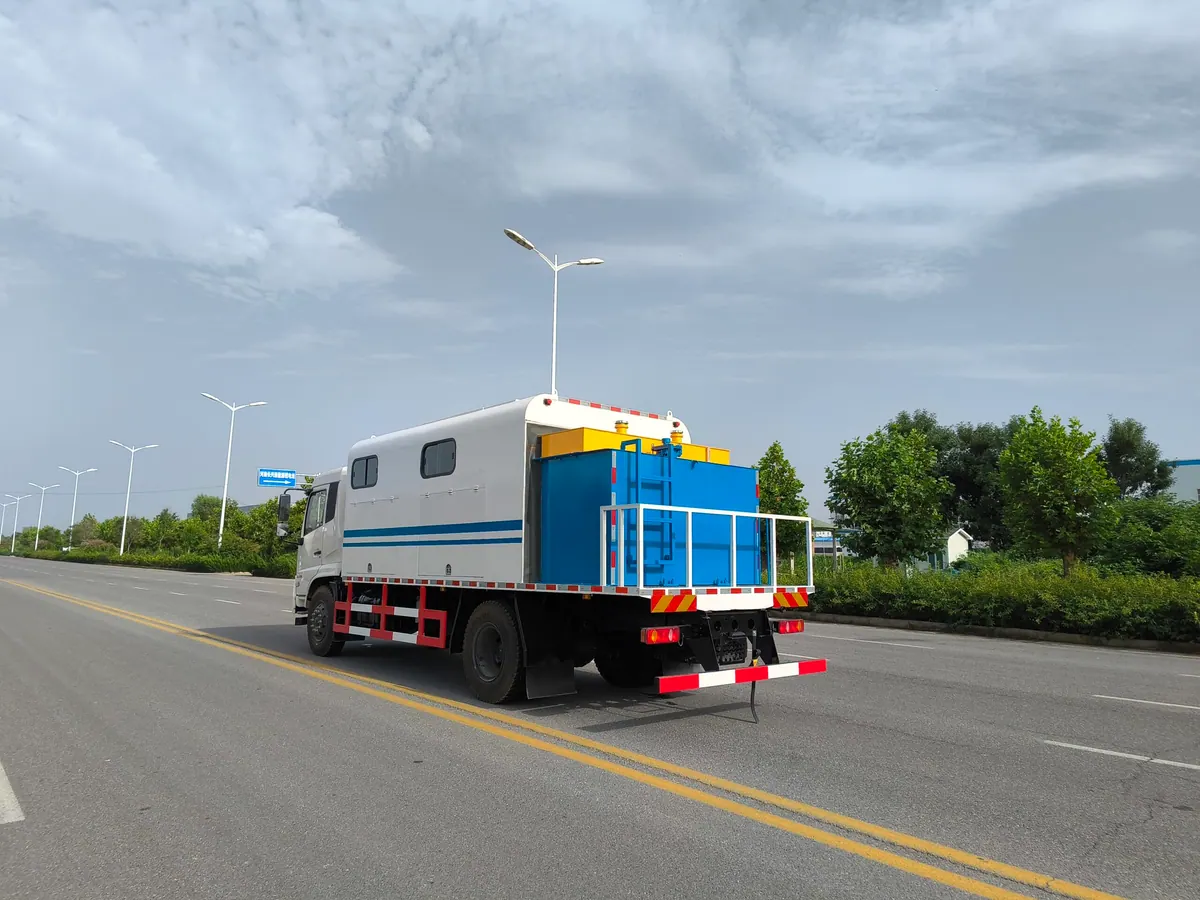
Decide which service the order must cover
Identify whether the project requires steam or hot-water heating and describe the actual receiver. If another medium is proposed, require its own express design and suitability response. A general boiler-truck name does not establish a once-through architecture, a complete hot-oil circulation package or an interchangeable multi-service unit. Keep intended service and optional future requirements separate so the initial purchase remains an identifiable configuration.
Describe useful duty at a named connection
State the inlet and delivered conditions, relevant flow or output quantity and duration at the agreed boundary. For steam, retain the state or quality information needed to interpret the demand; for hot water, retain the actual temperature and circulation basis. Burner input, water throughput and useful thermal delivery answer different questions. Ask the responsible provider to connect them through the actual offered arrangement rather than combine independent maxima.
Present the operating cases that govern selection
Give the supplier a schedule covering the relevant demand range and simultaneous receiving loads. Include the environmental and resource conditions belonging to each important case. Distinguish an occasional short requirement from sustained duty. A package selected only against an average or a single peak can leave other important conditions unexplained. Request the proposed limitations and supporting equipment response instead of assuming one rating covers every point in the campaign.
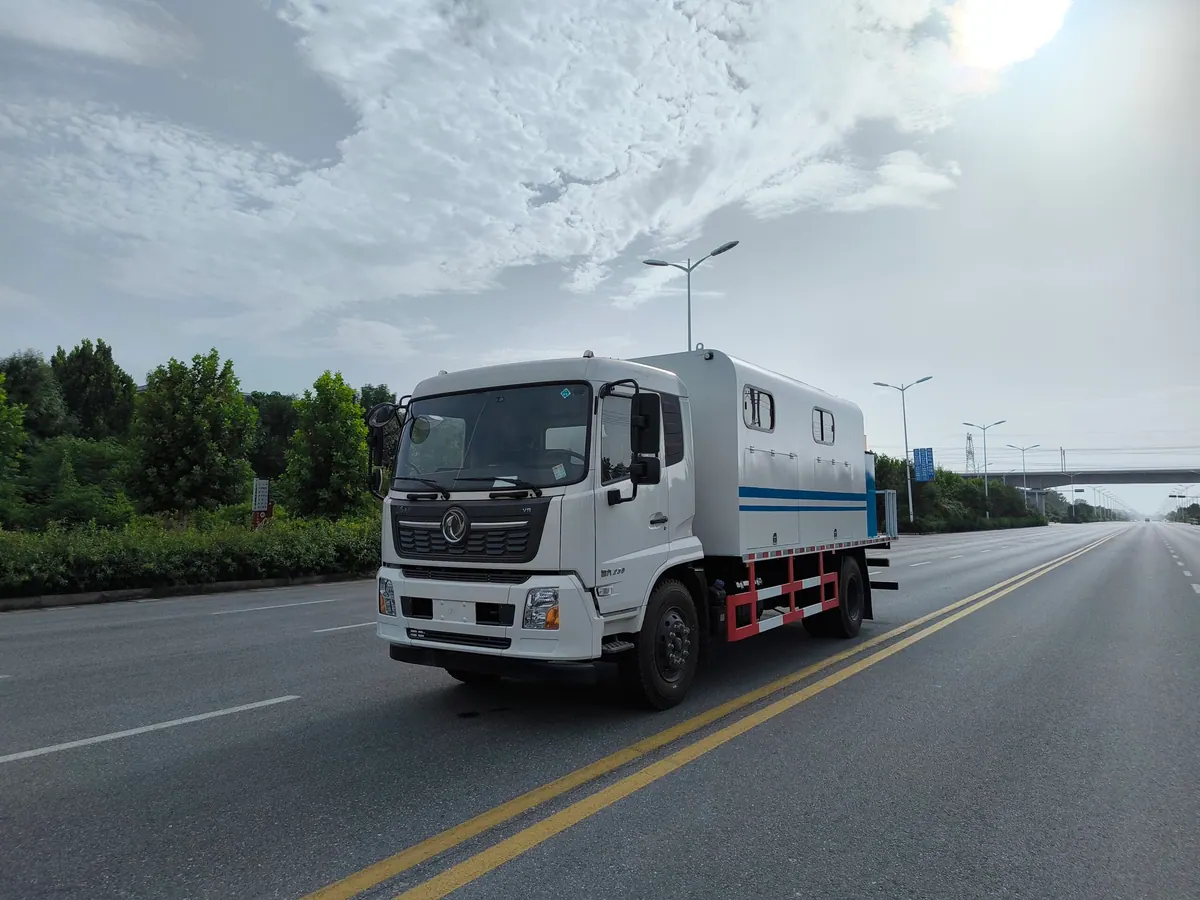
Reconcile water, fuel and auxiliary requirements
Provide the actual available water and fuel information and identify missing analysis. The equipment provider should state the accepted condition at its supply boundaries and the supporting scope required to establish it. Include power and other auxiliaries rather than treat them as free site resources. A large onboard tank, a generic treatment item or a fuel label alone does not establish the quality, continuous availability or complete compatibility needed by the selected assembly.
Identify the equipment that carries the commitment
Ask for the actual boiler or heating arrangement, combustion equipment, fluid paths, relevant instruments and controls. Retain component identity and the integrator responsible for the complete supplied duty. Once-through generation, dual fuel, high-pressure injection and spare equipment are not assumed standard. If the quotation offers an alternative, request its effect on useful output, support, interfaces and evidence before deciding whether it meets the accepted requirement.
Assign the external installation and receiver scope
Mark truck outlet, site connections, external distribution, receiving equipment and any return or discharge boundaries. Identify who designs, supplies and accepts each segment. The truck can meet its local duty while the process still has an unresolved interface. Road access, chassis acceptance, service space and relevant destination requirements also need named responsibilities. A vehicle photograph or a broad compliance statement cannot close these separate technical and installation obligations.
Buy a verifiable configuration rather than a rating list
Agree which measurements and checks establish the accepted case, which component records support it and what remains for the actual site. Keep demonstrated factory conditions separate from calculations or proposed later verification. The final equipment list and drawings should match the test records. Material substitutions and changed purchaser inputs need an effect review so the evidence continues to describe the configuration and duty actually being purchased.
Maintain the specification as the common decision basis
Use the accepted requirement, provider response and deviation status together through quotation review, order placement, testing and handover. Mark provisional information rather than silently promote it into a firm equipment limit. A concise controlled schedule can be more useful than many unconnected catalogue values. Keep actual operating and maintenance decisions with competent personnel, configuration-specific manufacturer information and approved project procedures.
Put these items side by side in the bid review
| Purchase item | Question to resolve | Evidence to request |
|---|---|---|
| Service | Which medium and receiver are accepted? | Controlled application and duty schedule |
| Package | What supplies the simultaneous working cases? | Actual equipment and provider response |
| Boundary | Who closes remaining site obligations? | Interface and verification responsibilities |
Suggested wording for the quotation request
Provide a mobile oilfield boiler truck response to the attached medium, useful-duty and receiving requirements. Identify the actual configuration, simultaneous working cases, supporting water, fuel and power, external boundaries and relevant restrictions. Separate firm supply, options and purchaser responsibilities. Propose configuration-specific evidence and list missing inputs or deviations before final selection and acceptance.
Evaluate the oilfield boiler truck as an identified mobile thermal package for the accepted medium, receiving conditions and working schedule. Keep useful output, simultaneous pressure and flow, fuel, water, auxiliaries and environment on one agreed basis. The selected boiler architecture, controls, instruments and chassis must match the actual offer. External distribution, receiving equipment and site acceptance require explicit responsibility boundaries. Component maxima or exterior photographs do not establish the complete delivered duty, universal compliance or a field-treatment result. Actual operation and maintenance require competent personnel, configuration-specific manufacturer information and approved project procedures.
For the wider equipment scope, consult the Mobile Oilfield Boiler Truck: RFQ Checklist. Use the RFQ checklist to collect the supporting documents before requesting a configuration-specific quotation.
Buyer questions
Does a steam mass-flow rating alone define a complete boiler truck specification?
No. The medium state, pressure, duration, receiving boundary and supporting conditions also need an accepted basis.
Does a code reference establish universal approval for every configuration?
No. Confirm applicable requirements, actual scope and relevant equipment-specific evidence for the project and destination.
Background and supplier contact
ASME boiler and pressure-vessel code background offers related background, not certification of the equipment in a quotation. Applicability must be checked for the project and destination.
Explore the oilfield boiler truck, browse all technical resources, or visit Vance Petroleum for company information. Request a boiler truck proposal with the medium, useful output, receiving conditions, duration and destination requirements.