Start with the job decision
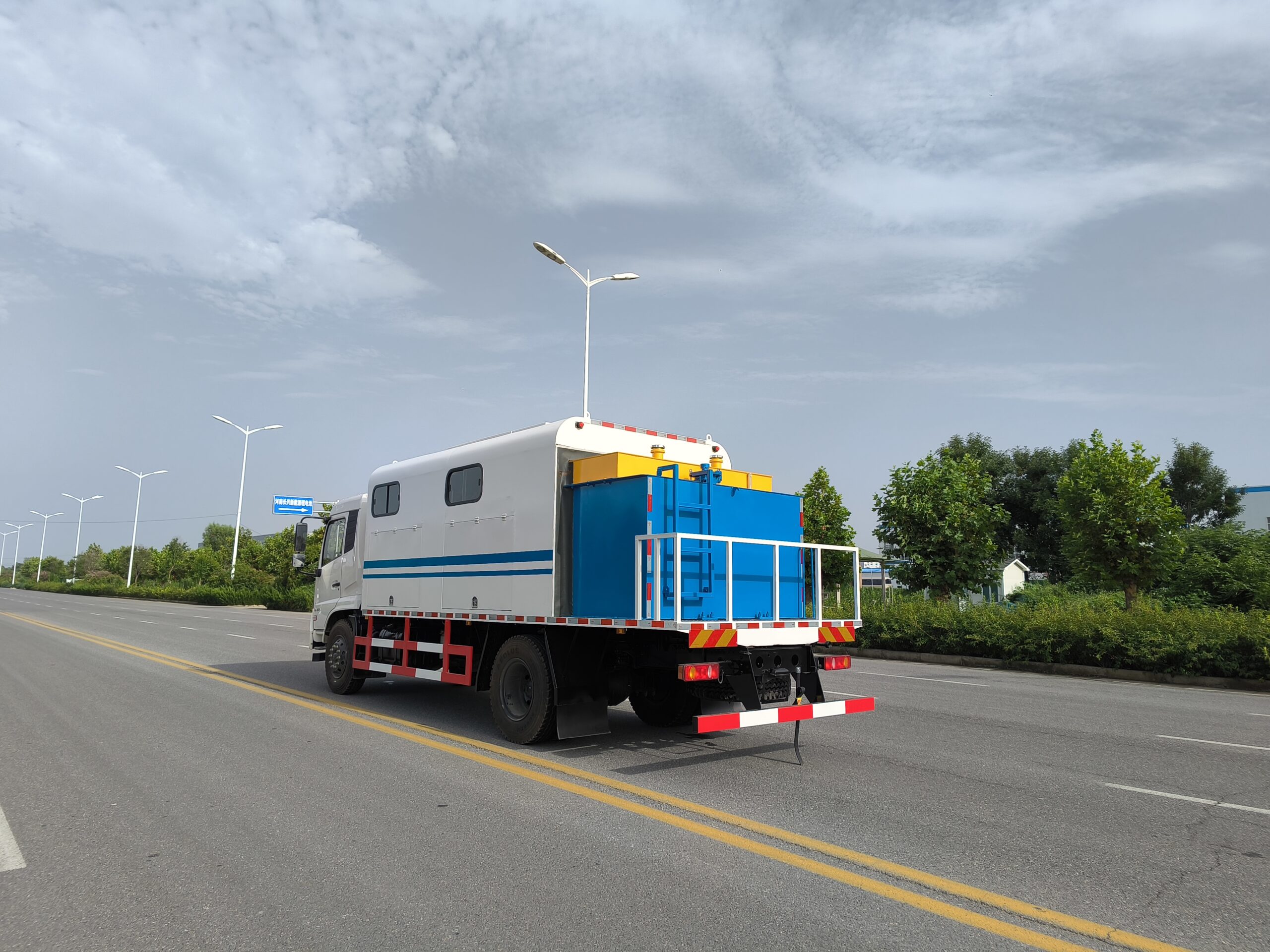
Mobile Steam Injection Boiler Truck projects succeed when the equipment scope is tied to a defined operating duty: delivering controlled high-pressure steam for thermal recovery and mobile oilfield heating duties. A useful project document separates normal duty, maximum credible duty, standby or transient conditions and the physical interfaces available at site. This keeps procurement language connected to field reality.
Record steam rate, injection pressure, target steam quality and water-treatment needs as ranges rather than isolated peak figures. The supplier can then explain how the once-through steam generator, high-pressure feed pump, combustion and fuel skid and steam-quality monitoring package work together across the intended envelope.
Compare configurations by duty case, not brochure labels
Alternative packages may use different component sizes, control philosophies or levels of redundancy. Create separate evaluation cases for thermal enhanced oil recovery, steam soaking, wellbore heating and mobile process heating. Score whether each option meets the required range, not merely the maximum stated capacity.
| Review item | What to confirm | Evidence or input |
|---|---|---|
| once-through steam generator | Capacity margin, operating range and service access | Selection curve or calculation |
| high-pressure feed pump | Driver match, efficiency and transient behavior | Rated and absorbed power data |
| combustion and fuel skid | Site independence, storage or treatment capacity | Utility and consumption schedule |
| steam-quality monitoring package | Automation, diagnostics, remote support and protection | Architecture and cause-and-effect |
Include logistics and maintainability in the decision
Review transport envelope, setup time, crew requirements, consumables, routine service access and critical-spares lead times. A configuration with a modestly higher purchase price can be the better project choice when it reduces auxiliary equipment, site preparation or downtime exposure.
Document the trade-off behind the selected option
The technical bid evaluation should record compliant points, deviations, assumptions and the reason for the recommendation. Keep commercial adjustments separate from technical ranking until the scope is aligned. This gives the project team a traceable basis for approval and later change management.
Keep a usable project record
Maintain one controlled file containing the approved duty sheet, supplier clarifications, drawings, component data, inspection records, test results, deviations, photographs and signed acceptance documents. Record document revisions and the person responsible for each open item. This prevents the operating team from receiving a package whose final configuration differs from the information used during procurement.
The handover set should also identify installed component models, consumables, calibration intervals, recommended spares, preservation requirements and supplier support contacts. Capture baseline operating readings when the unit is accepted. Those records give maintenance personnel a reference for condition changes and allow later modifications to be reviewed against the original design basis.
Before closing the project, confirm that operators can find the startup, normal-operation, controlled-shutdown and emergency procedures relevant to their unit. Training attendance alone is not sufficient; the responsible team should demonstrate the required checks and know which conditions require escalation rather than continued operation.
Codes, standards and project requirements
Confirm the final specification and acceptance plan against the owner’s project standards, local jurisdiction and ASME Boiler and Pressure Vessel Code resources. The applicable project documents govern whenever they are more specific.