
Collect demand at the receiving boundary
Identify where the process receives steam or hot water and which quantities are actually available there. Historical burner settings, fuel deliveries and operating hours can help explain the assignment, but they do not directly establish useful thermal demand. Keep the measurement location and operating context with each record before asking a supplier to size a mobile boiler against the data.
Separate observation from assumption
Mark each input as measured, calculated, estimated or not yet confirmed. Ask the responsible process team to review the intended medium, inlet condition, delivery condition and duration. A previous boiler rating can be a useful reference without being a measured load. Keeping that distinction visible lets bidders identify missing information instead of turning an inherited nameplate figure into an unsupported capacity requirement.
Retain the time pattern
Provide representative job periods rather than a single average. Startup, stable service, process pauses and occasional higher demand may govern different equipment and resource cases. Record which receivers operated together and whether any were unavailable. A supplier needs this sequence to assess supported output and control range; a large cumulative fuel total cannot explain how much heat was required at a particular moment.
Check the basis of steam records
If a record expresses steam mass, retain the pressure, relevant quality or state information and measurement basis needed to interpret it. If the process uses hot water, retain the flow and inlet and outlet conditions. Do not compare those quantities as equivalent loads without an accepted engineering basis. Ask the responsible provider to identify the method and assumptions used in its sizing response.
Explain how the future assignment differs
State changes to operating hours, receiving equipment, return arrangements and environmental conditions. A historical record may represent a process configuration that will not exist during the planned campaign. Ask the process owner to identify which cases remain representative and which require further assessment. This avoids buying against an apparently precise data set that describes the wrong receiver or an obsolete heating schedule.
Request a traceable sizing response
Ask each bidder to return a duty schedule that connects its proposed configuration to the accepted demand cases. Keep supporting resources and restrictions beside the response. Where evidence is incomplete, obtain a stated provisional selection and a closure plan rather than a firm performance promise based on unknown inputs. The final purchase commitment should identify the accepted case and actual delivery boundary.
Keep the underlying records with the order
Preserve the original data, its location and the accepted interpretation rather than retain only a final spreadsheet number. Identify material assumptions and the responsible reviewer. If demand changes before fabrication or site use, the provider can then assess the effect against the same documented basis. This makes later acceptance discussions about actual useful duty rather than an unexplained rating copied from an earlier unit.
Put these items side by side in the bid review
| Purchase item | Question to resolve | Evidence to request |
|---|---|---|
| Evidence | What was measured and where? | Original demand and instrument records |
| Pattern | Which loads occurred together? | Reviewed time-based duty schedule |
| Selection | How does the offer meet the load? | Provider response with assumptions |
Suggested wording for the quotation request
Review the attached demand records for an oilfield boiler truck proposal. Identify the accepted medium, receiving boundary, working cases and supporting resources. Distinguish measured inputs from assumptions, explain the sizing basis and list missing information. State the actual offered configuration and any restrictions or further checks required before making a final performance commitment.
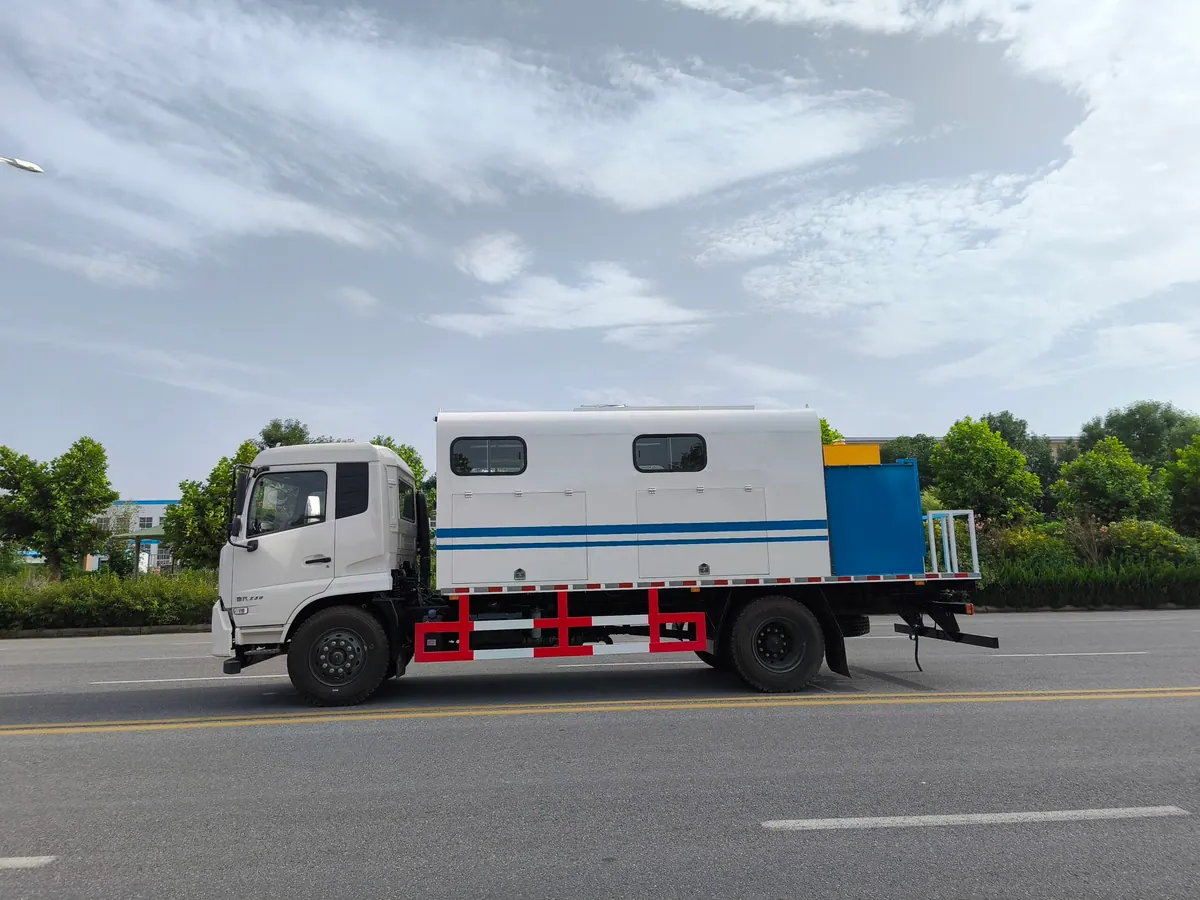
Evaluate the oilfield boiler truck as an identified mobile thermal package for the accepted medium, receiving conditions and working schedule. Keep useful output, simultaneous pressure and flow, fuel, water, auxiliaries and environment on one agreed basis. The selected boiler architecture, controls, instruments and chassis must match the actual offer. External distribution, receiving equipment and site acceptance require explicit responsibility boundaries. Component maxima or exterior photographs do not establish the complete delivered duty, universal compliance or a field-treatment result. Actual operation and maintenance require competent personnel, configuration-specific manufacturer information and approved project procedures.
For the wider equipment scope, consult the Mobile Oilfield Boiler Truck: Specs and Sizing. Use the RFQ checklist to collect the supporting documents before requesting a configuration-specific quotation.
Buyer questions
Can an existing boiler nameplate establish actual process demand?
Not by itself. Retain operating evidence, receiving conditions and the engineering basis used to interpret the requirement.
Should a supplier receive only the average heat demand?
No. Provide the relevant timing and simultaneous loads so important startup, stable and variable cases can be reviewed.
Background and supplier contact
NIST metrological traceability background offers related background, not certification of the equipment in a quotation. Applicability must be checked for the project and destination.
Explore the oilfield boiler truck, browse all technical resources, or visit Vance Petroleum for company information. Request a boiler truck proposal with the medium, useful output, receiving conditions, duration and destination requirements.