Describe each intended assignment separately
State the useful duty, receiving conditions and operating schedule for each proposed service. The steam case and hot-water case may involve different receivers and external resources. Keep them as separate requirements even when the purchaser wants one mobile asset. A combined maximum rating cannot explain whether the actual assembly supports each assignment or which configuration changes are needed between them.
Ask what the provider actually offers
Request a clear statement of supplied equipment and supported service for each option. The provider may offer separate configurations, an expressly engineered multi-service arrangement or only one accepted duty. All can be valid responses when limits are visible. Do not assume automatic conversion because an application-dependent product range mentions steam, hot water and thermal fluid on the same page.
Identify configuration and interface changes
If a proposed arrangement supports more than one service, ask which components, connections, instruments or external equipment differ. Record responsibility for the associated work and the relevant approvals. A familiar connection diameter or similar useful-duty number does not establish interchangeability. Actual conversion and pressure-system work must follow the responsible manufacturers and approved qualified arrangements rather than a purchasing comparison.
Obtain evidence for each accepted mode
A successful demonstration of steam production does not automatically establish hot-water performance, or the reverse. Request the provider’s response and proposed evidence for each expressly offered arrangement. Keep configuration identity, measurement location and supporting conditions clear. Where factory coverage is limited, identify remaining engineering information and site checks instead of presenting an untested service as already demonstrated.
Separate future options from delivered capability
A purchaser may wish to preserve a possible later service change without buying every component now. Ask for an option scope, assumptions and review pathway, not an unconditional promise of future conversion. Identify which design decisions need to be made at the original order stage. Keep the current delivered duty independent of equipment or work that has not been ordered or accepted.
Price ownership and service consequences
Compare the resources, approved parts, training and verification associated with each accepted arrangement. Additional modes can affect support even if the main vehicle remains the same. A lower initial price may fit a single-duty campaign, while an expressly engineered alternative may fit a wider asset plan. The decision should retain actual limitations rather than present versatility as a universal performance guarantee.
Do not extend the proposal to thermal oil by inference
Thermal-fluid service requires its own actual design, compatibility and acceptance basis. Neither a steam option nor a hot-water option independently establishes a complete thermal-oil circulation package or suitability for crude oil. Ask the provider to identify any proposed additional medium explicitly and keep its equipment, external responsibilities and verification separate from the two water-based service cases.
Put these items side by side in the bid review
| Purchase item | Question to resolve | Evidence to request |
|---|---|---|
| Service | What is actually supplied for each mode? | Separate accepted duty and equipment schedules |
| Change | What work and interfaces differ? | Provider-approved change scope |
| Evidence | Which arrangements are demonstrated? | Mode-specific verification and limitations |
Suggested wording for the quotation request
Respond separately to the attached steam and hot-water requirements for the oilfield boiler truck. Identify the actual supported arrangements, shared and different components, change responsibilities and verification. Price delivered capability separately from future options. State any restrictions and remaining review needed before accepting an additional service; do not assume automatic conversion or unrestricted thermal-fluid use.
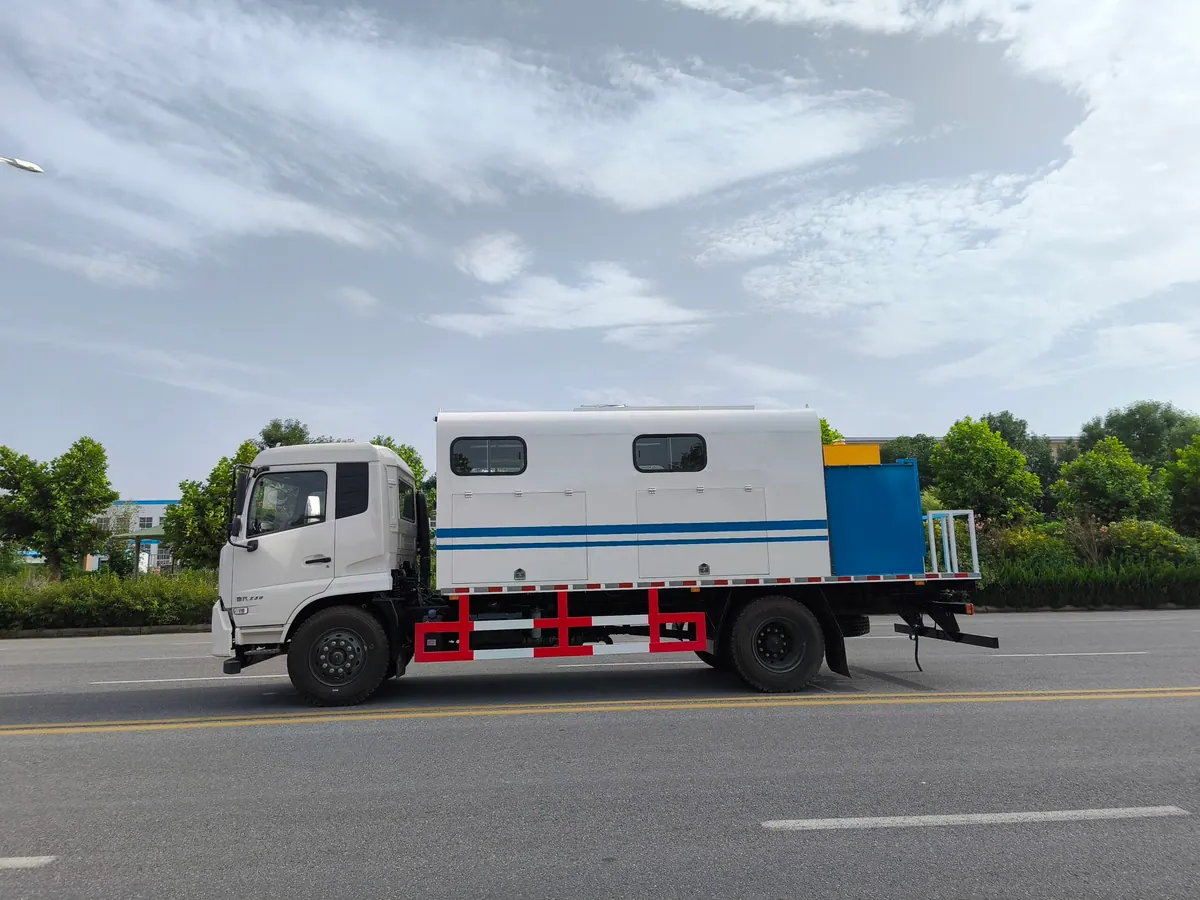
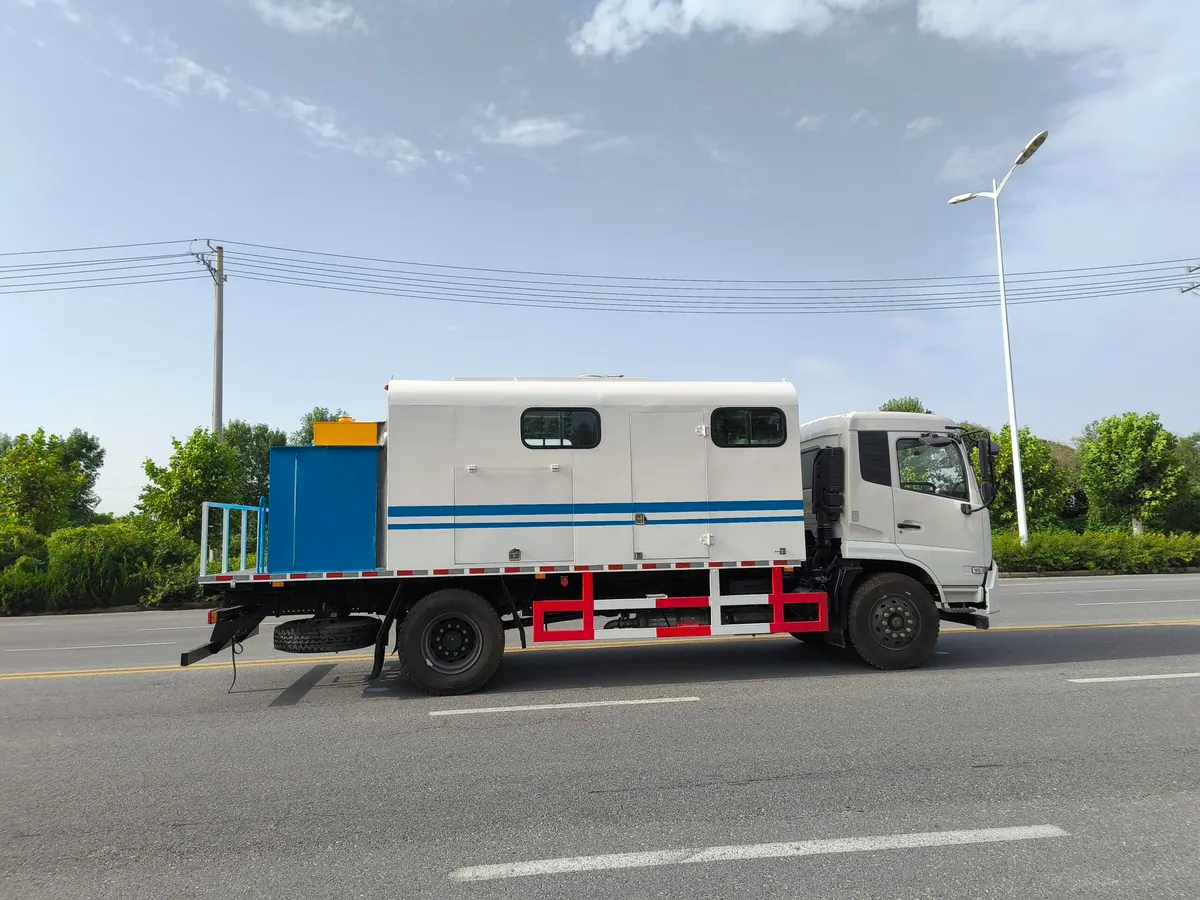
Evaluate the oilfield boiler truck as an identified mobile thermal package for the accepted medium, receiving conditions and working schedule. Keep useful output, simultaneous pressure and flow, fuel, water, auxiliaries and environment on one agreed basis. The selected boiler architecture, controls, instruments and chassis must match the actual offer. External distribution, receiving equipment and site acceptance require explicit responsibility boundaries. Component maxima or exterior photographs do not establish the complete delivered duty, universal compliance or a field-treatment result. Actual operation and maintenance require competent personnel, configuration-specific manufacturer information and approved project procedures.
For the wider equipment scope, consult the Mobile Oilfield Boiler Truck: Configuration Guide. Use the RFQ checklist to collect the supporting documents before requesting a configuration-specific quotation.
Buyer questions
Does a product range naming several media prove a switchable unit is supplied?
No. The order must identify each expressly designed and accepted service arrangement.
Can steam acceptance evidence be reused automatically for hot-water duty?
No. The provider should identify relevant evidence and remaining verification for the actual proposed service.
Background and supplier contact
ASME boiler and pressure-vessel code background offers related background, not certification of the equipment in a quotation. Applicability must be checked for the project and destination.
Explore the oilfield boiler truck, browse all technical resources, or visit Vance Petroleum for company information. Request a boiler truck proposal with the medium, useful output, receiving conditions, duration and destination requirements.