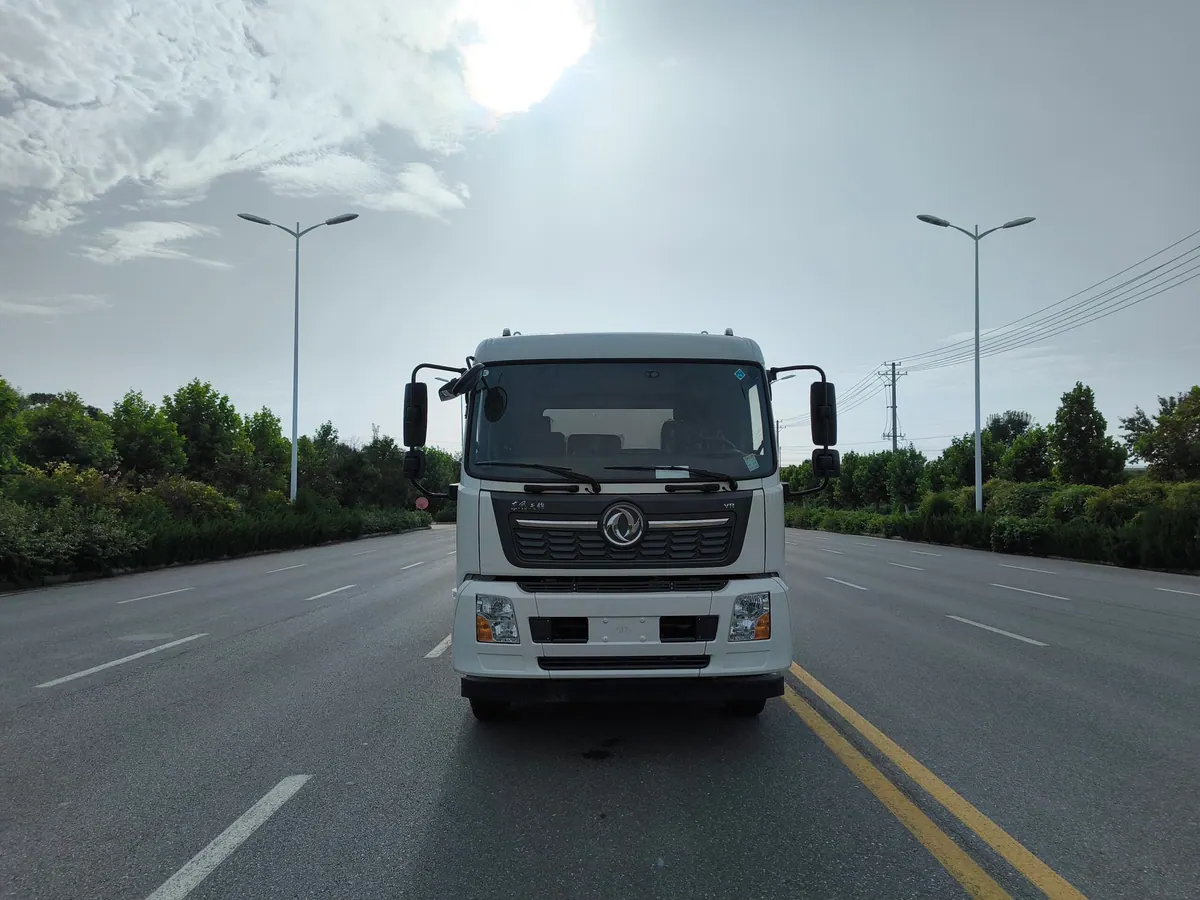
Define the temporary and purchased duties
Ask the process team whether both arrangements must supply the same useful heating requirement. A rented package may be accepted for a restricted interim case while the purchased truck supports a broader future campaign. Record those differences explicitly. Do not compare the rental rate and purchase price as if they describe the same equipment, resources, delivery boundary or long-term support obligation.
Verify availability with the actual provider
A purchasing plan can examine third-party rental without implying that the manufacturer offers rental equipment. Obtain availability, scope and restrictions from the responsible temporary supplier. Keep assumptions about mobilization and extension periods visible. A new-equipment quotation does not establish that interim equipment is reserved, compatible with the site or capable of meeting the accepted receiving conditions.
Identify transition dependencies
List the information and interface work needed before changing from the temporary arrangement to the purchased truck. The receiving connection, utilities, controls or external distribution may not be identical. Ask the relevant integrator to review the proposed transition boundaries. Procurement should assign the work and evidence without assume that substitution is immediate or authorize a live connection change from an informal comparison.
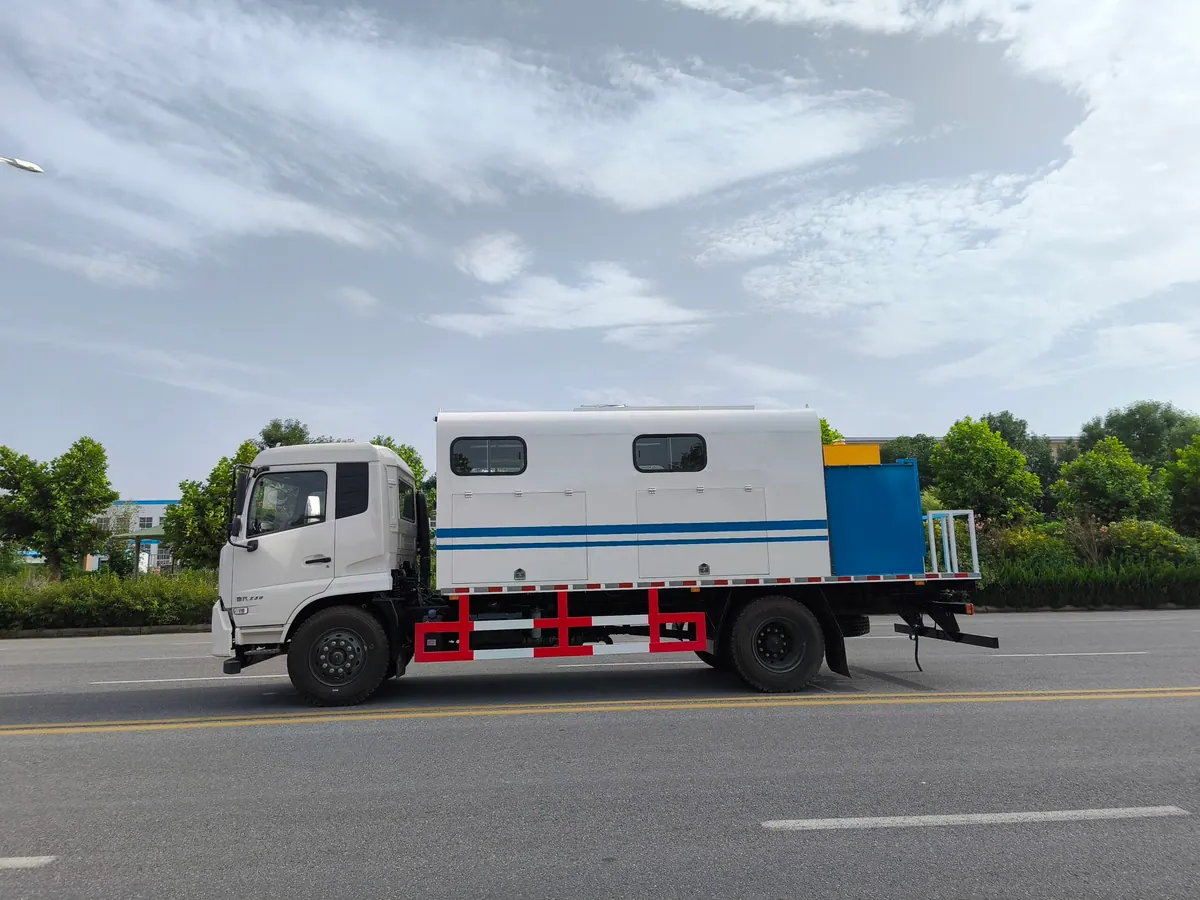
Separate commissioning from shipping time
Shipment, arrival, site integration and acceptance can have different dates. Ask the supplier to state what remains after dispatch and which purchaser inputs are needed. A rental bridge ending on the estimated shipping date can leave a gap before useful heat is accepted. Keep the relevant schedule risk visible without inventing a universal transport or commissioning duration.
Compare complete scenario costs
Request the actual commercial scope for equipment, temporary connections, support and any period extension. Keep independent quotes and purchaser assumptions separate. The comparison should show the useful-duty basis and the period covered rather than promise a fixed ownership break-even point. Some temporary-service costs may remain necessary even when the purchased truck arrives, depending on the approved acceptance and transition arrangements.
Retain an accepted contingency basis
If new delivery or site readiness changes, identify who decides whether the temporary arrangement remains acceptable and which provider confirms further availability. Do not treat a contingency as guaranteed simply because rental was once available. Record the actual support commitments and exclusions. This lets the purchaser judge a realistic bridge plan rather than rely on an unrestricted promise that heat will always be available.
Buy the asset on its own accepted merits
Temporary availability can influence the project schedule, but it should not replace review of the final truck’s thermal duty, equipment and ownership support. Keep the purchased configuration and acceptance evidence independent of the rental provider’s documents. A successful interim campaign can inform the requirement without proving that a different new assembly will achieve the same delivered duty under every future condition.
Put these items side by side in the bid review
| Purchase item | Question to resolve | Evidence to request |
|---|---|---|
| Interim scope | Who confirms temporary availability? | Actual rental-provider response |
| Transition | What changes at the site boundary? | Accepted interface and readiness review |
| Cost | Which period and duties are covered? | Separated scenario assumptions and quotes |
Suggested wording for the quotation request
Provide the oilfield boiler truck purchase scope, supported delivery milestones and remaining site acceptance work. Identify dependencies relevant to an independently arranged temporary heat supply. State the accepted duty and interfaces for the purchased asset, without assuming rental availability or transition compatibility. Separate commissioning support, temporary integration work and purchaser obligations for the project schedule review.
Evaluate the oilfield boiler truck as an identified mobile thermal package for the accepted medium, receiving conditions and working schedule. Keep useful output, simultaneous pressure and flow, fuel, water, auxiliaries and environment on one agreed basis. The selected boiler architecture, controls, instruments and chassis must match the actual offer. External distribution, receiving equipment and site acceptance require explicit responsibility boundaries. Component maxima or exterior photographs do not establish the complete delivered duty, universal compliance or a field-treatment result. Actual operation and maintenance require competent personnel, configuration-specific manufacturer information and approved project procedures.
For the wider equipment scope, consult the Mobile Oilfield Boiler Truck: Price and Cost Guide. Use the RFQ checklist to collect the supporting documents before requesting a configuration-specific quotation.
Buyer questions
Does this purchasing comparison mean Vance offers a rental fleet?
No. Confirm any rental scope and availability directly with the responsible provider; a purchase quotation does not establish a rental commitment.
Should temporary heat end when the purchased truck ships?
Not automatically. Consider arrival, integration and accepted useful-duty availability in the approved project schedule.
Background and supplier contact
ASME boiler and pressure-vessel code background offers related background, not certification of the equipment in a quotation. Applicability must be checked for the project and destination.
Explore the oilfield boiler truck, browse all technical resources, or visit Vance Petroleum for company information. Request a boiler truck proposal with the medium, useful output, receiving conditions, duration and destination requirements.