Retain the accepted performance basis
Keep the final medium, useful output, pressure, flow, duration and delivery boundary with the actual equipment configuration. The purchase may include restrictions or approved deviations that do not appear in a general brochure. A shortfall assessment should begin with that accepted response. Avoid combining unrelated maximum ratings or relying on a sales description that never identified the supporting resources and conditions.
Record actual conditions without assigning a cause
Collect relevant observations, time context and resource information under the approved project reporting arrangements. A changed temperature, flow or consumption value can have more than one explanation. Ask the responsible team to preserve the evidence before drawing a conclusion. This is a technical review task, not a generic instruction to alter controls, open equipment or reproduce an unsafe event.
Check the measurement boundary
Identify where the reported condition was measured and whether it represents the accepted truck or receiving duty. Retain instrument identity, relevant verification and any invalid-data status. A downstream process observation may reflect an external distribution issue as well as the heat source. Keep those boundaries visible so the supplier and purchaser examine the same question rather than compare unlike quantities.
Separate equipment and resource obligations
Ask the integrator to assess actual fuel, water, power, environment and interfaces against the recorded requirement. The purchaser should also identify material changes since acceptance. A missing external resource does not automatically establish an equipment defect, and an equipment shortfall should not be dismissed with an unspecified site assumption. Use the agreed basis and evidence to identify what requires further qualified investigation.
Define corrective and repeat-evidence scope
The commercial and technical response should distinguish investigation, parts, attendance and verification responsibilities. Ask for the actual accepted support terms rather than invent a universal warranty duration or response time. If corrective work is proposed, record how the relevant useful-duty case will be assessed again. A replacement component or a closed alarm alone does not independently establish restored assembly performance.
Close findings with configuration identity
Preserve the investigated conditions, accepted explanation, work completed and remaining restrictions. Update relevant equipment and service records when a material change is approved. The technical record should support the negotiated commercial process without pretending to determine every legal question. Where applicable, the purchaser’s qualified advisers should review the actual agreement and jurisdiction separately from the engineering assessment of the supplied thermal duty.
Keep a technical claim distinct from an outcome guarantee
A boiler truck can be assessed against its accepted thermal contribution without promising the receiving process will achieve every production or treatment objective. Record the actual duty and provider responsibility clearly. Useful evidence supports fair investigation and corrective decisions; it does not turn a general product application into a guarantee of campaign continuity, deposit removal or a particular well result.
Put these items side by side in the bid review
| Purchase item | Question to resolve | Evidence to request |
|---|---|---|
| Basis | Which duty and configuration were accepted? | Final requirement and provider response |
| Observation | What was measured under which conditions? | Time-linked instrument and resource evidence |
| Correction | How will the relevant case be reassessed? | Defined corrective and repeat-evidence scope |
Suggested wording for the quotation request
State the proposed technical process for assessing an oilfield boiler truck performance shortfall against the accepted duty. Identify evidence needs, equipment and resource boundaries, responsible support and corrective verification. Separate actual negotiated warranty terms from general product information. List limitations and purchaser obligations precisely, without a universal response-time or process-outcome guarantee.
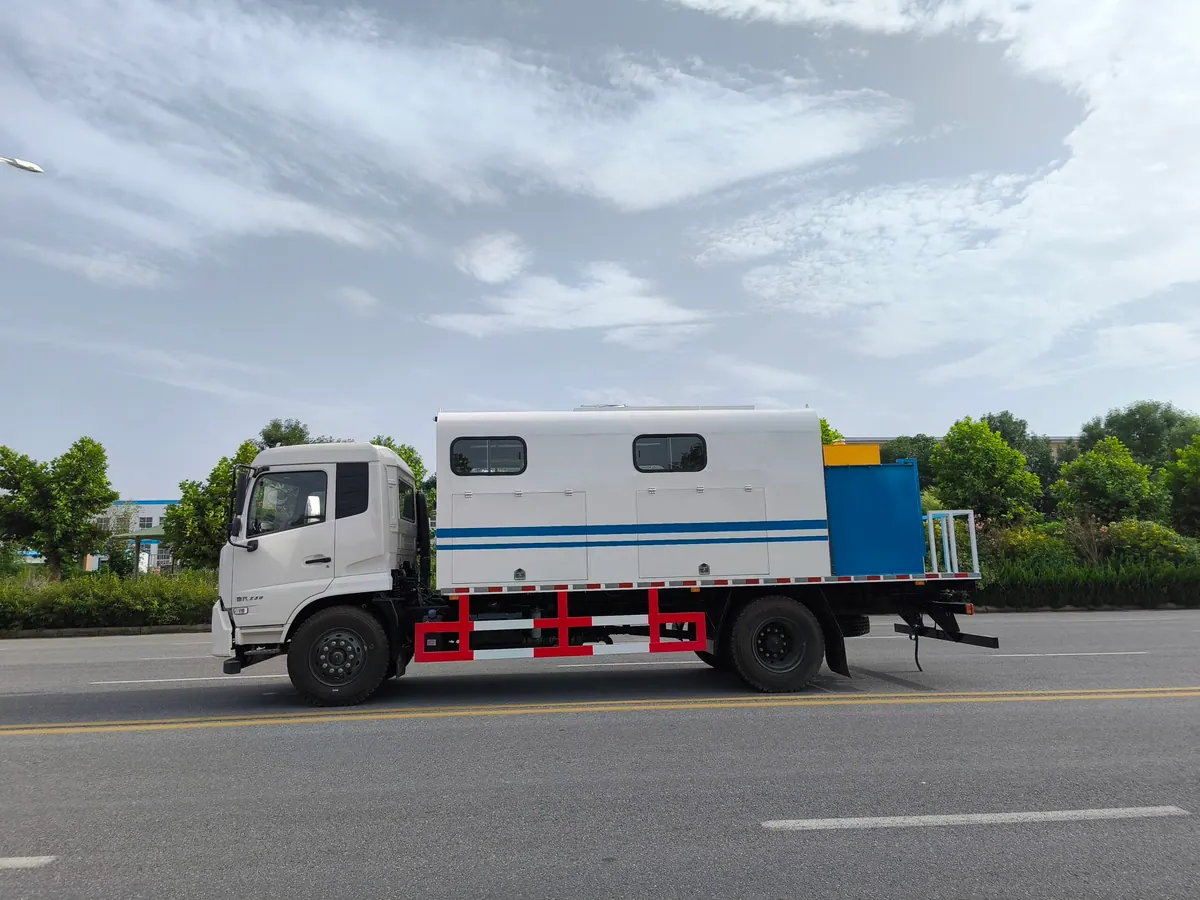
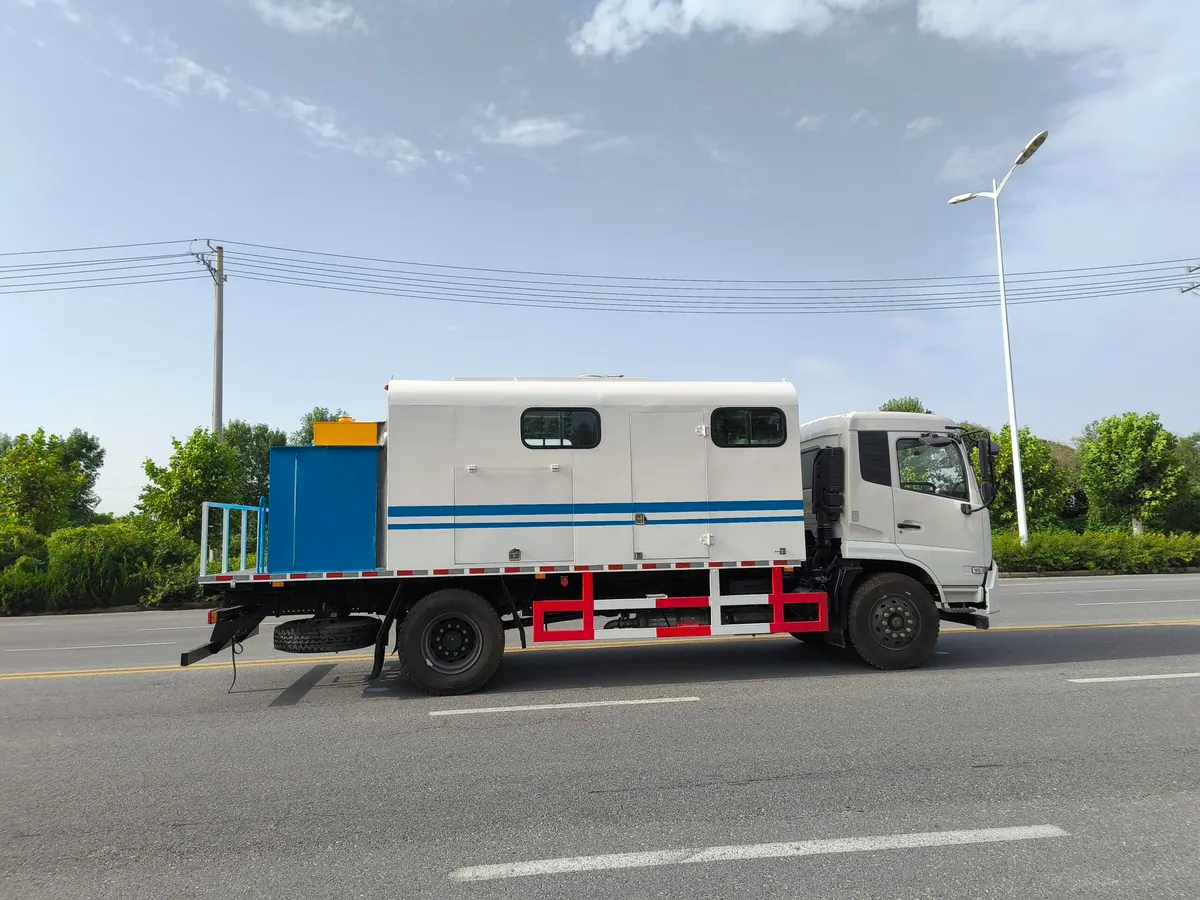
Evaluate the oilfield boiler truck as an identified mobile thermal package for the accepted medium, receiving conditions and working schedule. Keep useful output, simultaneous pressure and flow, fuel, water, auxiliaries and environment on one agreed basis. The selected boiler architecture, controls, instruments and chassis must match the actual offer. External distribution, receiving equipment and site acceptance require explicit responsibility boundaries. Component maxima or exterior photographs do not establish the complete delivered duty, universal compliance or a field-treatment result. Actual operation and maintenance require competent personnel, configuration-specific manufacturer information and approved project procedures.
For the wider equipment scope, consult the Mobile Oilfield Boiler Truck: Price and Cost Guide. Use the RFQ checklist to collect the supporting documents before requesting a configuration-specific quotation.
Buyer questions
Does a low process temperature alone prove the boiler is defective?
No. Review the accepted boundary, measurement, actual resources and external arrangement with the responsible providers.
Does replacing a component close every performance concern?
Not automatically. Retain the relevant complete-duty verification and remaining conditions before technical closure.
Background and supplier contact
NIST metrological traceability background offers related background, not certification of the equipment in a quotation. Applicability must be checked for the project and destination.
Explore the oilfield boiler truck, browse all technical resources, or visit Vance Petroleum for company information. Request a boiler truck proposal with the medium, useful output, receiving conditions, duration and destination requirements.