Define the availability case
State whether the requirement concerns a planned pump service, an unexpected pump outage or a different interruption. Identify the medium, useful output and duration that must remain supported after that event. A second installed pump may provide capacity, an alternate configuration or a reviewed standby contribution. These are different commitments and should not be merged into a blanket promise of uninterrupted boiler operation.
Map shared services and paths
Ask the integrator to identify common power, suction supply, controls, piping and other relevant dependencies. Duplication of the visible pump does not necessarily remove a shared restriction. The provider should explain the actual arrangement and its limits using the same configuration as the offer. A photograph or a component count cannot establish independent performance after an event that also affects common equipment or resources.
Request remaining useful-duty evidence
The relevant question is whether the accepted thermal case remains supported, not simply whether the alternate pump can turn. Ask for the proposed feed conditions and the complete boiler response after the defined event. Keep supplier calculations, component information and actual demonstrated evidence separate. If the arrangement supports a reduced duty, retain that restriction openly instead of describing it as full output redundancy.
Review service access and restrictions
A standby arrangement should identify what approved work can be performed and under which conditions. Access, common pressure boundaries and return-to-service requirements may affect the availability case. Keep that assessment with the responsible designers and manufacturers. The purchasing review must not imply permission for live maintenance or an improvised changeover sequence simply because a second component is installed.
Price the complete option
Ask whether the quoted alternate pump includes the necessary supporting components, instruments, controls and verification. A component-only price may omit significant integration work. Compare the actual availability contribution with other accepted contingency arrangements on the same demand basis. Do not treat all supporting changes as included unless the firm bill of supply and functional response identify them.
Preserve the standby basis after service
Keep installed component references and the accepted availability case with the equipment history. A later pump substitution or control change can affect the original response. Ask the provider to identify relevant review and verification requirements before treating a replacement as equivalent. This keeps the purchased standby scope meaningful rather than rely indefinitely on a claim associated with an earlier arrangement.
Keep pump standby separate from complete heat availability
Even an accepted alternate-feed arrangement does not remove every burner, boiler, utility, control or external receiver interruption. Describe the actual event covered and remaining dependencies in the order. Where the campaign needs wider continuity, obtain a separately reviewed supply plan. Avoid promising uninterrupted production or treating component duplication as proof that every cause of lost useful heat has been addressed.
Put these items side by side in the bid review
| Purchase item | Question to resolve | Evidence to request |
|---|---|---|
| Event | Which pump interruption is covered? | Defined availability requirement |
| Dependencies | What remains shared? | Assembly and resource diagram |
| Duty | What useful output remains supported? | Provider response and verification scope |
Suggested wording for the quotation request
Assess the dual feed-pump option for the identified oilfield boiler truck availability case. Mark common services and pressure boundaries, supported remaining useful duty, service restrictions and actual included equipment. State the evidence proposed and any reduced-output limitations. Separate the component standby contribution from complete boiler or campaign continuity and price the full integration scope.
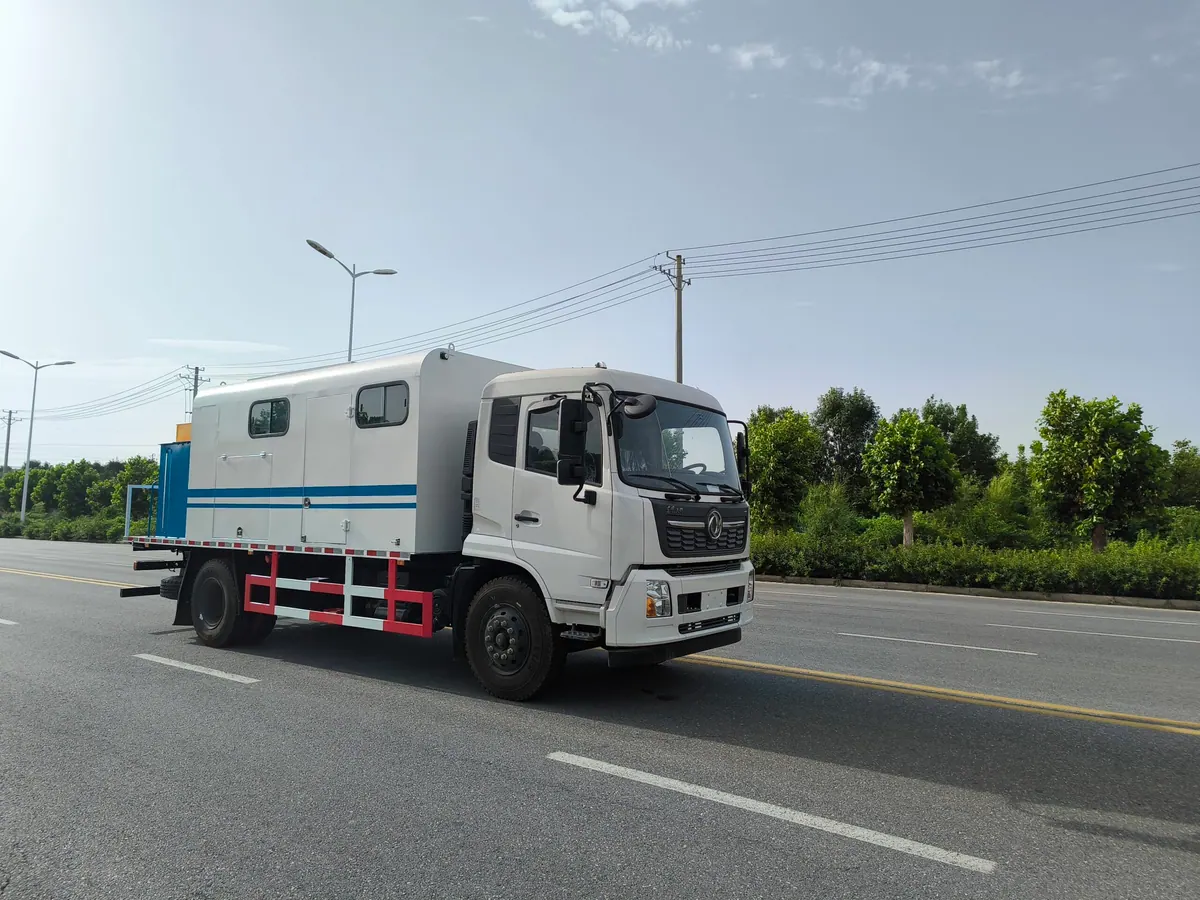
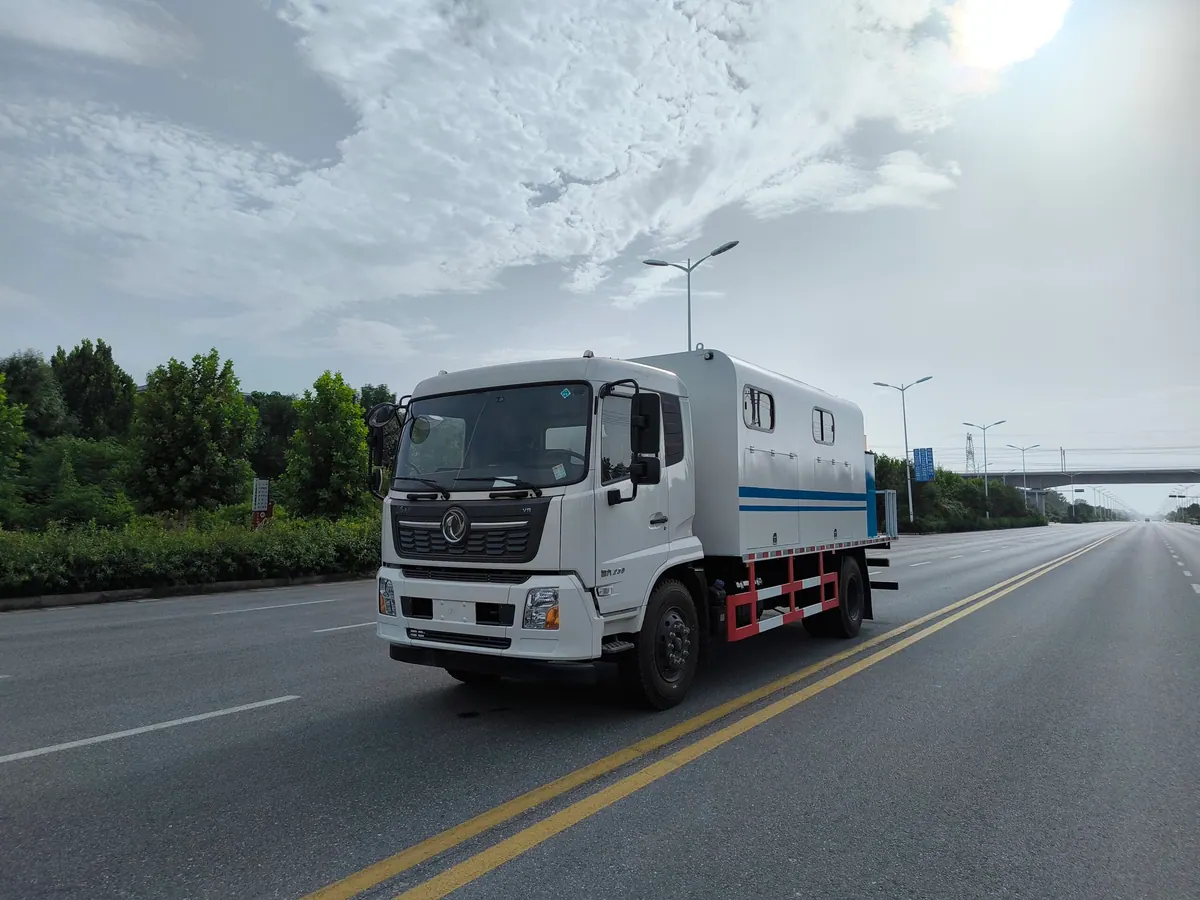
Evaluate the oilfield boiler truck as an identified mobile thermal package for the accepted medium, receiving conditions and working schedule. Keep useful output, simultaneous pressure and flow, fuel, water, auxiliaries and environment on one agreed basis. The selected boiler architecture, controls, instruments and chassis must match the actual offer. External distribution, receiving equipment and site acceptance require explicit responsibility boundaries. Component maxima or exterior photographs do not establish the complete delivered duty, universal compliance or a field-treatment result. Actual operation and maintenance require competent personnel, configuration-specific manufacturer information and approved project procedures.
For the wider equipment scope, consult the Mobile Oilfield Boiler Truck: Maintenance Guide. Use the RFQ checklist to collect the supporting documents before requesting a configuration-specific quotation.
Buyer questions
Do two installed pumps prove complete boiler redundancy?
No. Common services and other equipment can still limit or interrupt accepted heat delivery.
Does a standby pump imply maintenance can occur while the system operates?
No. Actual work requires the approved equipment-specific and project arrangements under competent responsibility.
Background and supplier contact
ASME boiler and pressure-vessel code background offers related background, not certification of the equipment in a quotation. Applicability must be checked for the project and destination.
Explore the oilfield boiler truck, browse all technical resources, or visit Vance Petroleum for company information. Request a boiler truck proposal with the medium, useful output, receiving conditions, duration and destination requirements.