Begin with the real operating basis
A useful Mobile Steam Injection Boiler Truck plan starts with the work the unit must perform: delivering controlled high-pressure steam for thermal recovery and mobile oilfield heating duties. Record normal, minimum, maximum and transient cases instead of relying on one headline capacity. The review should identify steam rate, injection pressure, target steam quality, water-treatment needs and emissions and site fuel together with the source and confidence level for each value.
Trace those inputs through the once-through steam generator, high-pressure feed pump, combustion and fuel skid and steam-quality monitoring package. This system view helps the project team see where a site condition, fluid property or operating limit affects more than one component. It also creates a defensible basis for supplier clarification, field setup and later change control.
Build a utility schedule by operating phase
List startup, warm-up, stable duty, standby, shutdown, cleaning and emergency requirements separately. Record instantaneous demand, average consumption, quality, pressure or voltage tolerance, connection type and required autonomy. A site may have enough nominal capacity yet fail during a simultaneous peak or after voltage, pressure, temperature or fuel-quality losses are considered.
| Review point | Project question | Required record |
|---|---|---|
| Fuel or energy | Peak and average demand; quality; storage | Load and consumption schedule |
| Water or process fluid | Rate, pressure, chemistry and temperature | Supply specification |
| Air and electrical interfaces | Capacity, voltage, frequency, earthing and connectors | Interface drawing |
| Drainage and return handling | Flow, temperature, composition and containment | Disposal or recovery plan |
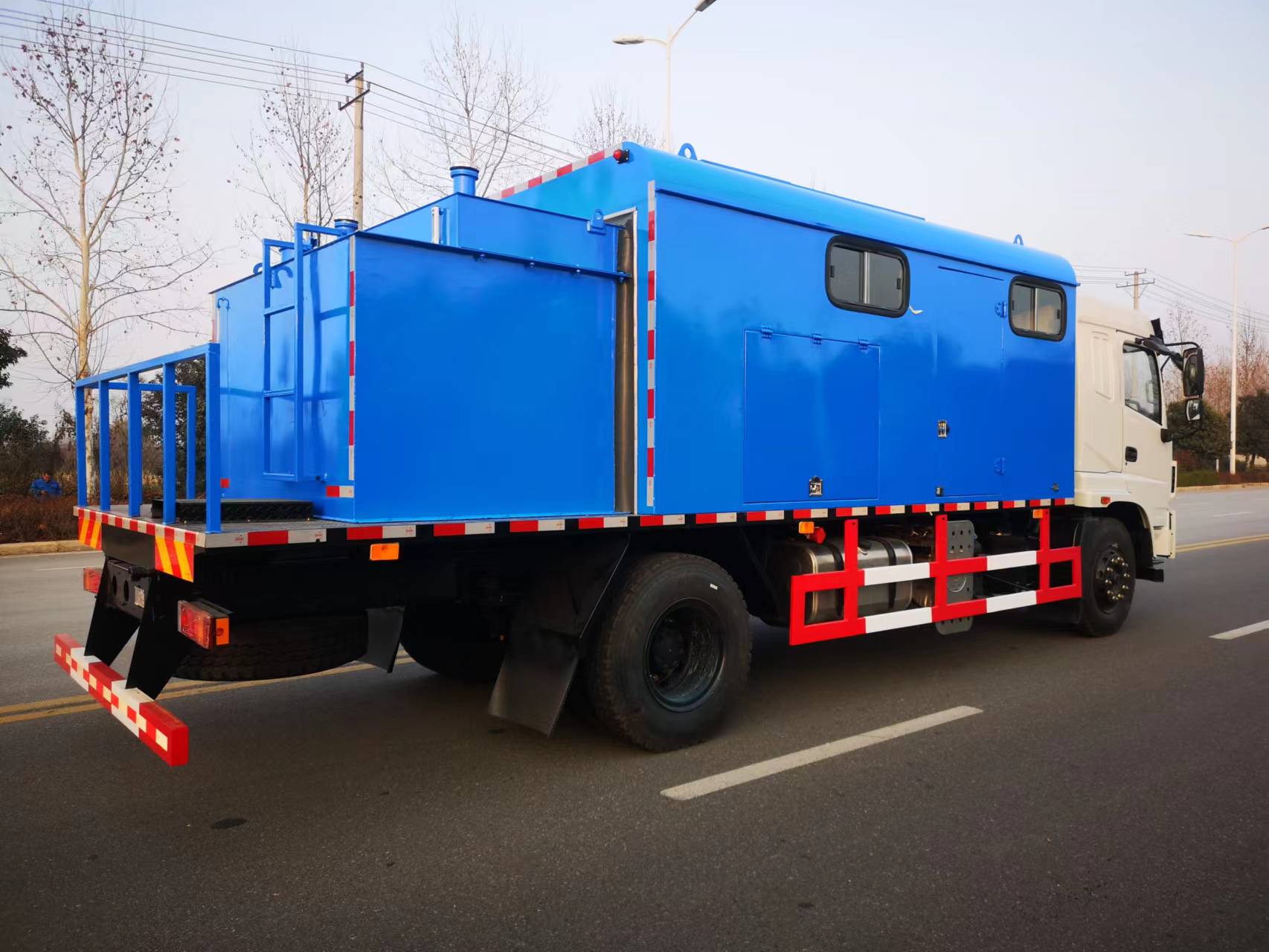
Put every connection boundary on one drawing
Show ownership of hoses, cables, adapters, strainers, regulators, isolation valves, check valves, drains and supports. Define who supplies consumables and who verifies cleanliness before connection. State the allowable reaction loads, routing limits and inspection access. A clear battery-limit drawing reduces improvised adapters and unsupported temporary lines.
The utility plan for Mobile Steam Injection Boiler Truck work such as thermal enhanced oil recovery will not necessarily match steam soaking, wellbore heating or mobile process heating. Recalculate consumption and return handling for the selected duty rather than copying values from another application. Include the effect of steam rate, injection pressure, target steam quality and water-treatment needs.
Define behavior when a utility degrades or fails
Identify which loss conditions trigger an alarm, controlled reduction, automatic shutdown or immediate emergency action. Confirm safe energy for controls, cooling, purge, lubrication or depressurization after the primary supply is lost. Where a generator, tank or backup source is used, verify changeover time and usable duration under the actual maximum demand.
Keep records that support the next decision
Keep the approved duty sheet, site survey, interface drawing, procedures, inspection results, test records, deviations and signed handover information in one controlled equipment file. Record the installed component models and document revisions so operators and maintenance personnel can confirm that their instructions match the field configuration.
After the job, compare planned and actual values for steam rate, injection pressure, target steam quality, water-treatment needs, emissions and site fuel. Record abnormal events, adjustments, consumable use and any condition that affected setup or performance. Use the findings to improve the next job plan without silently expanding the approved operating envelope.
Apply project and jurisdictional requirements
Use this planning guide with the owner's procedures, local law and applicable project standards. Review relevant requirements through ASME Boiler and Pressure Vessel Code resources. The project-specific engineering and safety basis governs the final configuration and work method.