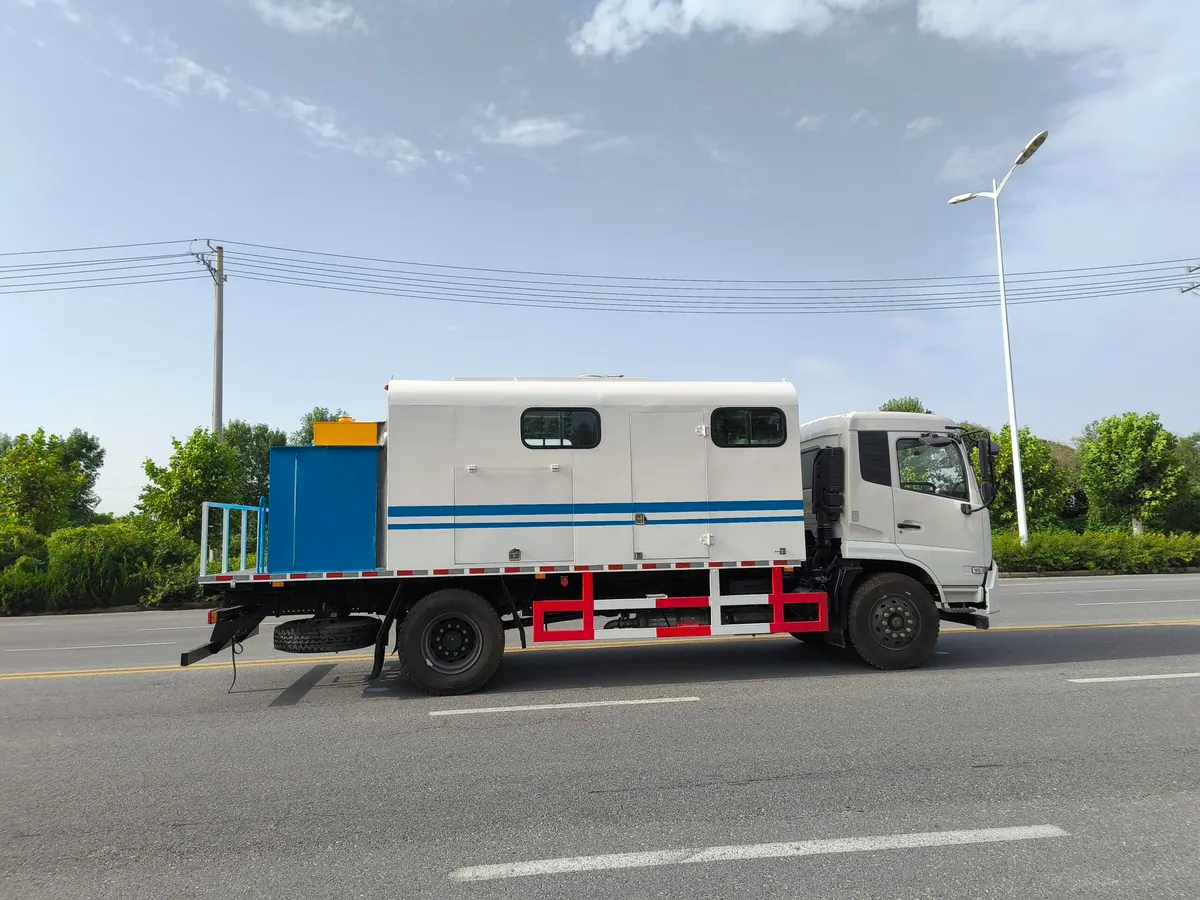
Agree the test before choosing attendance
Identify the equipment configuration, useful-duty cases, inspection items and records required for acceptance. A witness can observe only what the agreed arrangement makes available. Being physically present does not turn a limited check into a complete demonstration, and a video call cannot establish conditions that are not recorded. Keep the test purpose and limitations explicit before comparing travel or attendance options.
Define access to relevant evidence
Ask how the purchaser will see equipment identifiers, instrument locations, displayed values and supporting records. For remote review, agree the information that must accompany the live view rather than rely on camera images alone. For on-site attendance, identify access and restrictions in advance. The evidence should connect the observed unit to the purchased configuration, not merely show a similar truck operating at the factory.
Retain measurement context
A visible gauge reading needs its location, operating state and relevant verification information to support a performance conclusion. Request the raw observations and accepted reporting basis alongside any summarized pass statement. Instrument traceability does not by itself establish that the selected method proves the complete duty. Clarify how uncertainty, missing observations and deviations will be handled under the agreed verification plan.
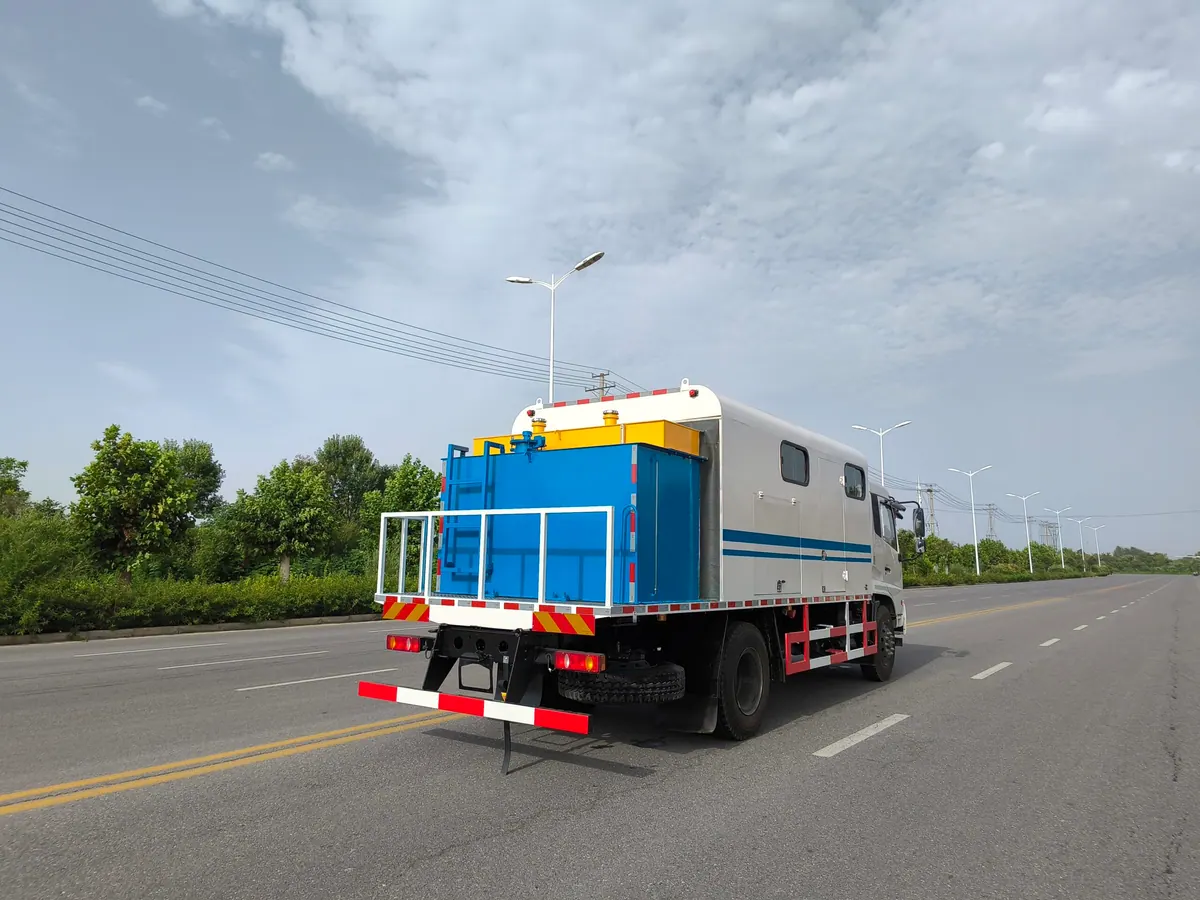
Separate observation from responsibility
Identify the supplier responsible for conducting the work, the reviewer observing it and the party accepting the result. A third-party attendee does not automatically certify every requirement or replace the integrator’s obligations. Ask for the actual scope of any independent service. Keep purchaser attendance and technical acceptance distinct so that travel or a completed meeting is not mistaken for closure of an unresolved performance condition.
Price practical attendance provisions
List proposed dates, notice periods, document readiness and the commercial treatment of postponement or repeat work. Remote witnessing may require prepared records and suitable communications, while on-site attendance can involve travel and access arrangements. Obtain actual terms rather than assume one format is always cheaper. Keep these costs separate from equipment capacity and identify purchaser inputs that affect the planned review.
Close the report after witnessing
Require the final record to identify completed checks, conditions not demonstrated and remaining actions. A signed attendance sheet alone does not establish that every issue was accepted. Link corrective evidence to the relevant observation and final configuration. If further site checks remain necessary, list them with the responsible party instead of allowing a general factory pass statement to imply complete installed acceptance.
Choose the format that supports the decision
The most useful witnessing arrangement is the one that provides the agreed evidence within the project’s constraints. A combination of advance document review, selected observation and final records may be appropriate when expressly agreed. Do not substitute an attractive attendance format for an incomplete test scope. Preserve the actual evidence so later reviewers can understand what was observed and what remained unverified.
Put these items side by side in the bid review
| Purchase item | Question to resolve | Evidence to request |
|---|---|---|
| Scope | What will actually be demonstrated? | Configuration-specific acceptance plan |
| Access | Which evidence can the reviewer inspect? | Observation and record schedule |
| Closure | What remains after attendance? | Final report and deviation status |
Suggested wording for the quotation request
Quote the proposed factory acceptance scope for the oilfield boiler truck with remote and any on-site witnessing options. Identify configuration, observations, instrument context, document access and limitations. State notice periods, attendance responsibilities and treatment of postponement or repeat checks. Provide final records with unresolved conditions and remaining site verification clearly separated.
Evaluate the oilfield boiler truck as an identified mobile thermal package for the accepted medium, receiving conditions and working schedule. Keep useful output, simultaneous pressure and flow, fuel, water, auxiliaries and environment on one agreed basis. The selected boiler architecture, controls, instruments and chassis must match the actual offer. External distribution, receiving equipment and site acceptance require explicit responsibility boundaries. Component maxima or exterior photographs do not establish the complete delivered duty, universal compliance or a field-treatment result. Actual operation and maintenance require competent personnel, configuration-specific manufacturer information and approved project procedures.
For the wider equipment scope, consult the Mobile Oilfield Boiler Truck: FAT Checklist. Use the RFQ checklist to collect the supporting documents before requesting a configuration-specific quotation.
Buyer questions
Does an on-site witness automatically certify the whole truck?
No. The actual inspection, measurement and acceptance responsibilities must be defined for the agreed scope.
Can a video of running equipment replace the FAT records?
No. Relevant configuration, operating conditions, measurements and unresolved items still need controlled evidence.
Background and supplier contact
NIST metrological traceability background offers related background, not certification of the equipment in a quotation. Applicability must be checked for the project and destination.
Explore the oilfield boiler truck, browse all technical resources, or visit Vance Petroleum for company information. Request a boiler truck proposal with the medium, useful output, receiving conditions, duration and destination requirements.